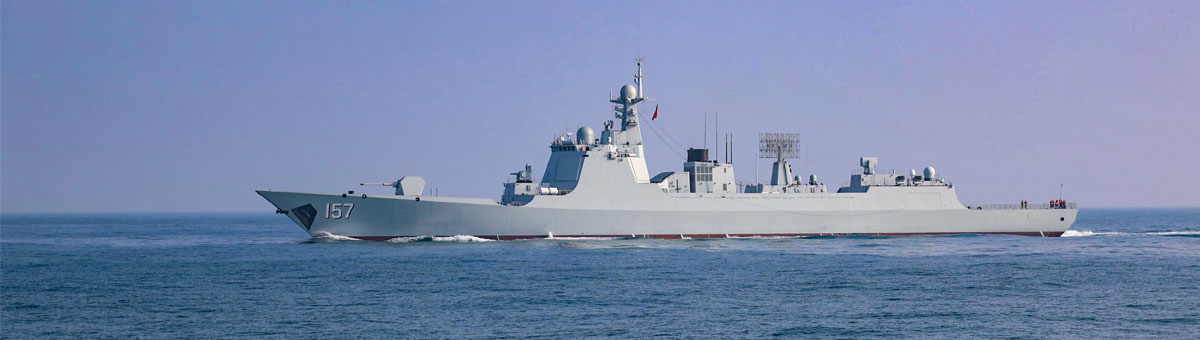
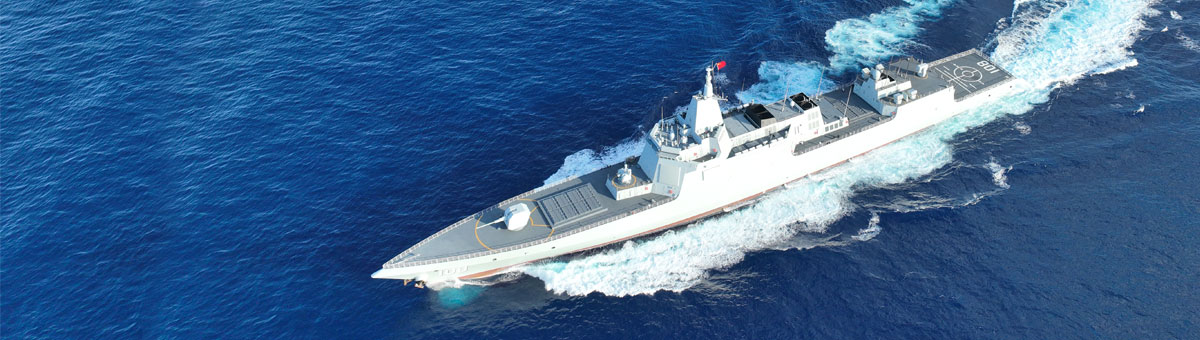
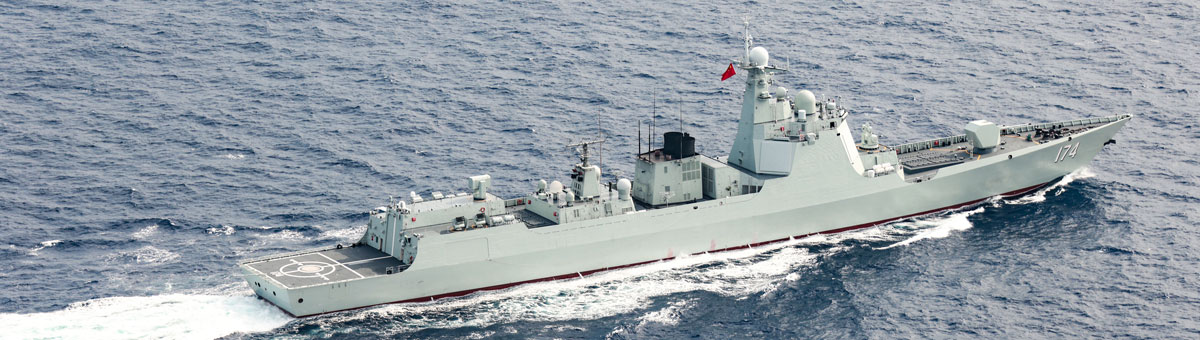
针对舰船造型设计难以兼顾全生命周期需求、难以支撑造型设计的跨阶段迭代问题,提出基于数字孪生的舰船全生命周期造型迭代设计方法。构建物理、数据、虚拟三层耦合的数字孪生架构,通过整合行业基准与阶段化参数资源,提取包含最大剖面位置、甲板边线高度等核心维度的造型参数集;并依据造型参数集搭建融合物理实体、虚拟实体、服务、孪生数据与连接的全生命周期舰船造型孪生模型;通过参数耦合分析与解耦解决造型参数与功能的强冲突,通过失效预测结合数字孪生模型,模拟参数异常下的造型失效风险并优化造型设计方案,完成造型迭代优化设计。实验结果显示,该方法在全生命周期的设计阶段可输出兼顾流体阻力与隐身性能的光顺造型,建造阶段实现造型与工艺约束的精准适配,运维阶段完成功能设备的造型化集成;所设计舰船造型强耦合参数冲突消解度达90%以上,迭代5次后失效风险稳定降至5%以下。
In response to the problem of cross-stage iteration in ship styling design that is difficult to meet the requirements of the entire life cycle and support styling design, a digital twin based iterative design method for ship full life cycle styling is proposed. Build a digital twin architecture that couples physical, data, and virtual layers, and extract a set of modeling parameters including core dimensions such as maximum profile position and deck edge height by integrating industry benchmarks and phased parameter resources; And based on the modeling parameter set, build a full lifecycle ship modeling twin model that integrates physical entities, virtual entities, services, twin data, and connections; Through parameter coupling analysis and decoupling, the strong conflict between modeling parameters and functions is resolved. By combining failure prediction with digital twin models, the risk of modeling failure under parameter anomalies is simulated and the modeling design scheme is optimized, completing iterative optimization design of modeling. The experimental results show that this method can output smooth shapes that balance fluid resistance and stealth performance during the design phase of the entire lifecycle, achieve precise adaptation of shapes and process constraints during the construction phase, and complete the integration of functional equipment shapes during the operation and maintenance phase; The designed ship's strong coupling parameter conflict resolution rate reaches over 90%, and after 5 iterations, the failure risk stabilizes to below 5%.
2026,48(4): 35-39 收稿日期:2025-8-3
DOI:10.3404/j.issn.1672-7649.2026.04.006
分类号:U664.11
基金项目:河南省软科学研究计划项目(252400410500)
作者简介:王丹花(1982-),女,硕士,副教授,研究方向为产品造型设计及交互设计
参考文献:
[1] 谭钱, 蔡薇, 王乐诚, 等. 渐递进邮轮造型与功能布局逆向设计方法[J]. 船舶工程, 2024, 46(8): 8-17
TAN Q, CAI W, WANG L C, et al. Progressive cruise shape and functional layout reverse design methods[J]. Ship Engineering, 2024, 46(8): 8-17
[2] 汪俊泽, 张攀, 刘均, 等. 基于子模型分解的船舶舱段结构代理模型协同优化方法[J]. 中国舰船研究, 2024, 19(2): 98-106
WANG J Z, ZHANG P, LIU J, et al. Collaborative optimization method of surrogate model for ship cabin structure based on sub-model decomposition[J]. Chinese Journal of Ship Research, 2024, 19(2): 98-106
[3] 李振荣, 夏利娟, 冯朔. 基于UNet深度学习的VLCC横框架拓扑优化分析[J]. 中国舰船研究, 2024, 19(6): 108-116
LI Z R, XIA L J, FENG S. Topology optimization analysis of VLCC transverse web based on UNet deep learning[J]. Chinese Journal of Ship Research, 2024, 19(6): 108-116
[4] 田文杰, 吕东坡, 张相鹏. 基于性能驱动的船载稳定平台尺度参数优化设计[J]. 机器人, 2023, 45(1): 78-88
Tian Wenjie, Lü Dongpo, Zhang Xiangpeng. Performance Driven Optimal Design of Dimensional Parameters for a Shipborne Stable Platform[J]. Robot, 2023, 45(1): 78-88
[5] 胡天翔, 叶辉, 杨晓飞. 基于数字孪生的船舶制造车间监视系统的构建[J]. 系统仿真学报, 2025, 37(2): 517-528
HU T X, YE H, YANG X F. Construction of a digital twin-based ship manufacturing workshop monitoring system[J]. Journal of System Simulation, 2025, 37(2): 517-528
[6] 王秀勇, 李楷, 苑志江, 等. 舰船水下抗爆U型夹层板结构改进及参数优化设计[J]. 大连理工大学学报, 2024, 64(2): 194-203
WANG X Y, LI K, YUAN Z J, et al. Structure improvement and parameter optimization design of ship U-type sandwich panels for underwater blast resistance[J]. Journal of Dalian University of Technology, 2024, 64(2): 194-203