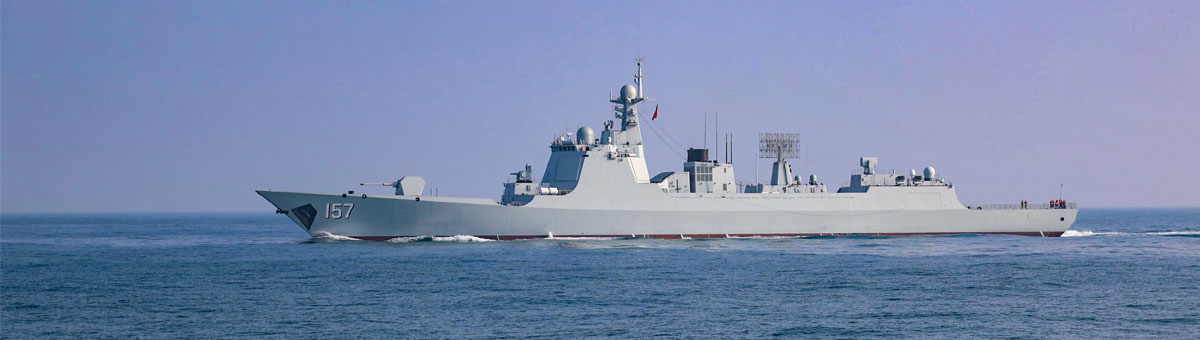
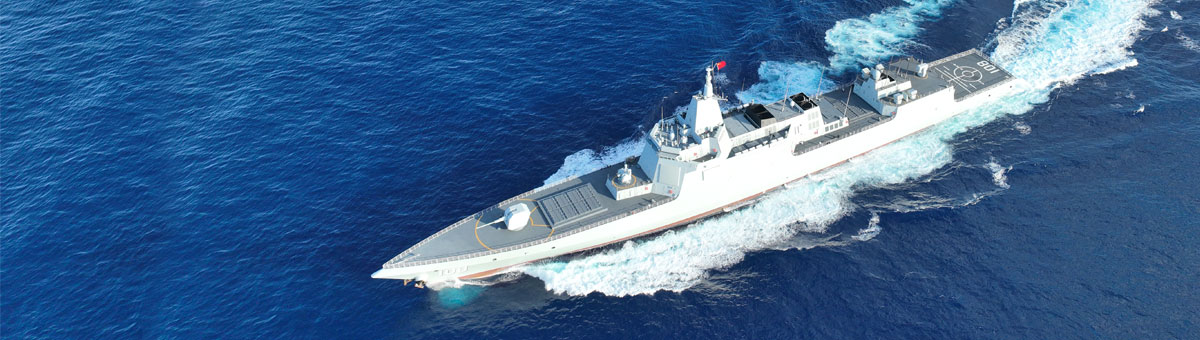
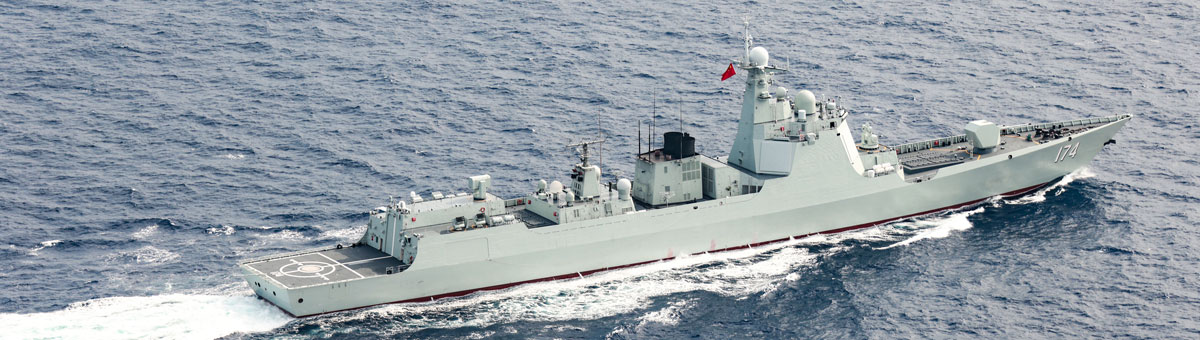
未来海空联合行动形态正加速向智能化深度演进。在此趋势下,装备体系呈现“灵活组网、跨域融合”的重构特征,组合模式则向“小型新质、多元混编”方向转型。立足这一时代背景,构建科学完备、系统协同且具备可比价值的海空联合联合行动体系效能评估方法,对提升未来海空联合能力具有重大战略意义。面向未来海空联合行动的核心需求,新型体系效能评估方法需突破传统解析法、专家评估法及作战模拟法的固有局限,深度融合智能化算法、数据驱动技术与多维度评估框架,构建“主观研判-客观数据”双向融合的体系效能评估指标体系。最终形成能够实时感知行动环境态势动态、精准调整评估参数的智能化效能评估系统。该方法可为特定任务体系的联合行动能力提升提供靶向支撑方案,同时为联合行动体系的规划设计、迭代优化及发展方向提供科学依据。
The future joint operations of sea and air forces are accelerating their evolution towards intelligence. Under this trend, the equipment system exhibits the characteristics of "flexible networking and cross-domain integration", while the combination mode is transforming towards "small-scale new quality, diversified mixed formation". Based on this era background, constructing a scientific, complete, systemally coordinated, and comparable-value effectiveness evaluation method for sea and air joint operations is of great strategic significance for enhancing future sea and air joint capabilities. Facing the core requirements of future sea and air joint operations, the new system effectiveness evaluation method needs to break through the inherent limitations of traditional analytical methods, expert evaluation methods, and combat simulation methods, deeply integrate intelligent algorithms, data-driven technologies, and multi-dimensional evaluation frameworks, and construct a "subjective judgment - objective data" two-way integrated system effectiveness evaluation index system. Finally, an intelligent effectiveness evaluation system that can real-time perceive the dynamic situation of the operational environment and accurately adjust the evaluation parameters will be formed. This method can provide targeted support solutions for the enhancement of the joint operation capabilities of specific task systems, and at the same time provide scientific basis for the planning, iteration optimization, and development direction of the joint operation system.
2026,48(7): 161-166 收稿日期:2025-12-30
DOI:10.3404/j.issn.1672-7649.2026.07.026
分类号:U66;E91
作者简介:霍凝坤(1988-),女,硕士,工程师,研究方向为国防战略与体系需求分析
参考文献:
[1] 赵阳, 李娟, 陈明. 能化海空联合作战中数字孪生仿真评估方法[J]. 现代防御技术, 2024, 52(2): 45-53 ZHAO Y, LI J, CHEN M. Digital twin simulation evaluation methods for intelligent air-sea joint operations[J]. Journal of Modern Defense Technology, 2024, 52(2): 45-53
[2] 池建文, 茹呈瑶, 王兵. 联合作战对海军武器装备发展的影响[J]. 舰船科学技术, 2003(4): 22-24 CHI J W, RU C Y, WANG B. The impact of joint operations on the development of naval weapons and equipment[J]. Ship Science and Technology, 2003(4): 22-24
[3] 王翀, 倪海参, 王赢旋, 等. 基于GA-BP神经网络的多无人艇协同作战效能评估[J]. 舰船科学技术, 2024, 46(1): 109-114 WANG C, NI H S,WANG Y X, et al. Efficiency evaluation of multi-UGV cooperative combat based on GA-BP neural network[J]. Ship Science and Technology, 2024, 46(1): 109-114
[4] 李响, 王浩, 张磊, 等. 基于AHP-熵权法的海空协同作战体系效能评估[J]. 兵工学报, 2025, 46(3): 689-700 LI X, WANG H, ZHANG L, et al. Evaluation of the effectiveness of air-sea coordinated combat systems based on the AHP-entropy weight method[J]. Acta Armamentarii, 2025, 46(3): 689-700
[5] 张一博, 马惠敏. 基于AHP的舰载对空传感器效能评估[J]. 舰船科学技术, 2010, 32(9): 72-75 ZHANG Y B, MA H M. AHP-based effectiveness assessment of aboard airborne sensors[J]. Ship Science and Technology, 2010, 32(9): 72-75